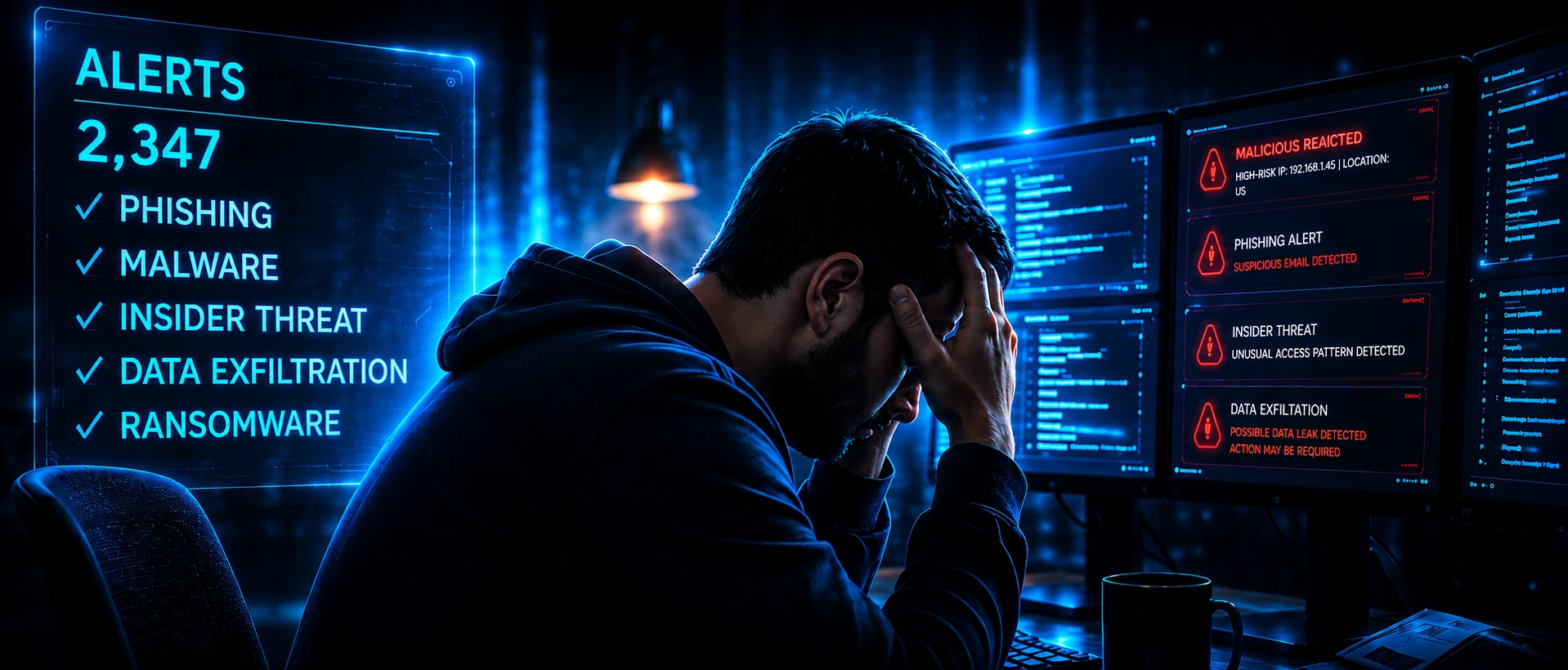
Behind every alert investigated, every threat contained, and every incident resolved is a human being — a cybersecurity analyst working under immense pressure, 24/7.
While organizations invest heavily in tools, technologies, and frameworks, one critical risk continues to grow silently in the background: analyst burnout.
And the cost of ignoring it is far higher than most organizations realize.
The Reality on the Front Lines
Cybersecurity analysts operate in one of the most demanding environments in the modern workforce. They face an unrelenting flood of alerts, sophisticated threats, tight response timelines, and the constant pressure of potential business impact.
Long shifts, repetitive tasks, weekend escalations, and the emotional weight of defending against relentless adversaries lead to chronic stress and fatigue.
Over time, this takes a toll.
The Hidden Costs of Burnout
Burnout isn't just a people problem — it's a business risk.
High levels of stress and fatigue lead to:
The constant cycle of hiring, onboarding, and retaining analysts can drain budgets, disrupt operations, and weaken overall security posture.
In many organizations, the real cost of burnout remains hidden in operational inefficiencies, missed threats, and the loss of experienced talent.
Why Traditional Models Struggle
Building and maintaining an internal SOC team at scale is difficult. The global shortage of skilled analysts, high attrition rates, and the 24/7 nature of SOC operations make it incredibly challenging to create a sustainable model.
Many organizations find themselves stuck in a never-ending cycle — hiring, training, losing, and restarting.
A Smarter, Sustainable Approach
Addressing burnout requires rethinking how SOC operations are delivered.
Partnering with a specialized MSSP like SentraGuard helps organizations:
At SentraGuard, we invest in our people. We provide competitive compensation, continuous training, wellness support, and career growth opportunities to retain top talent and ensure operational excellence for our clients.
Your analysts are your greatest asset. Protecting their well-being is protecting your organization.
Don't let burnout become your blind spot.